BY UKEME OFFIONG
Access Denied: The Struggles That Doulas Face
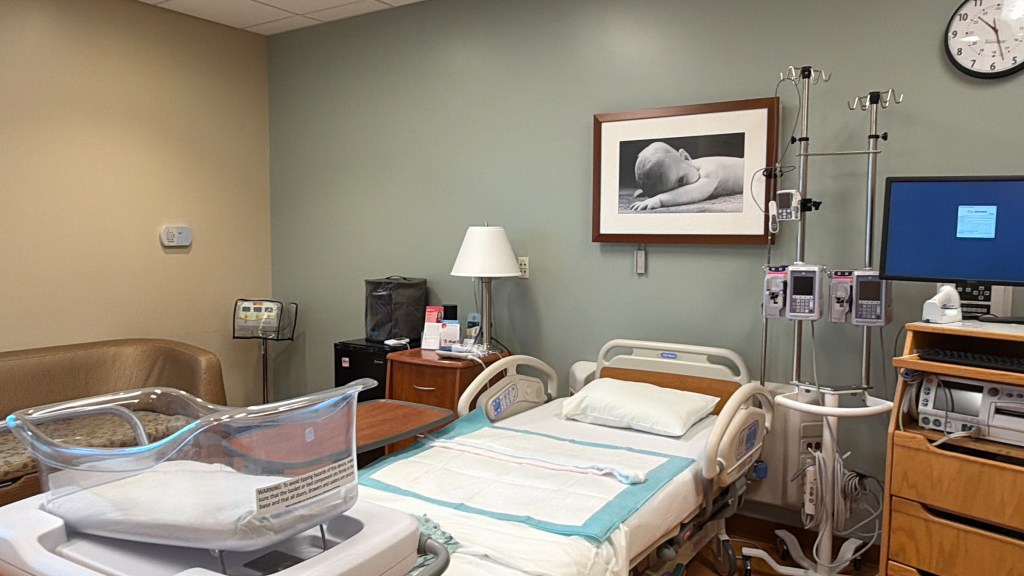
A baby’s cry and a mother’s happy tears. These are the two things most important to a doula after a mother gives birth. But sometimes doulas have issues getting into the delivery room.
What are Doulas?
Doulas are non-medical birth workers who are support systems for pregnant mothers. They help create birth plans before the baby comes, advocate for the mother in the delivery room during the birth, and help mothers recover after a traumatic birth and with postpartum.
A doula is there to make sure that mothers wishes are being honored. Some mothers may specifically want a vaginal birth, while others may want a C-section. Doulas can specialize in specific areas like postpartum and birth. Postpartum doulas will support the mother after birth and help the mother with child care and processing their emotions. Delivery doulas will specifically focus on the labor and creating a birth plan that they will follow in the delivery room.
Karla Thurmond, a mother of two who recently gave birth to her daughter, stated, “I also think that the important part about doulas, too, is that they really advocate for the mom. Like they’re trained to, they help you with your breathing; they really are your person in the birth. So blocking them from being in the room would really be a disservice to the woman giving birth because that literally is her person.”
The mother will be dilating and contracting when she gets to the hospital. A doula can tell doctors and nurses what the mother wants and needs. The mother can focus on pushing her child and staying calm, and the doula can do her job by advocating.
Myasia Halloway, a postpartum doula, stated, “These are your rights. And you can, you know, have the birth that you desire, as long as you and the baby are healthy, everything looks good.” She stated that doulas are there to advocate and make the mother feel comfortable.
Nola Johnson, a mother of 1, had her child at 39, and her pregnancy was labeled unsafe. “It was the best decision, I mean, hands down, best decision I made. I’m so glad that I did it because there were a lot of things that I probably would have gone for had I not had her to advocate for me”.
What is the difference between Doulas and Doctors?
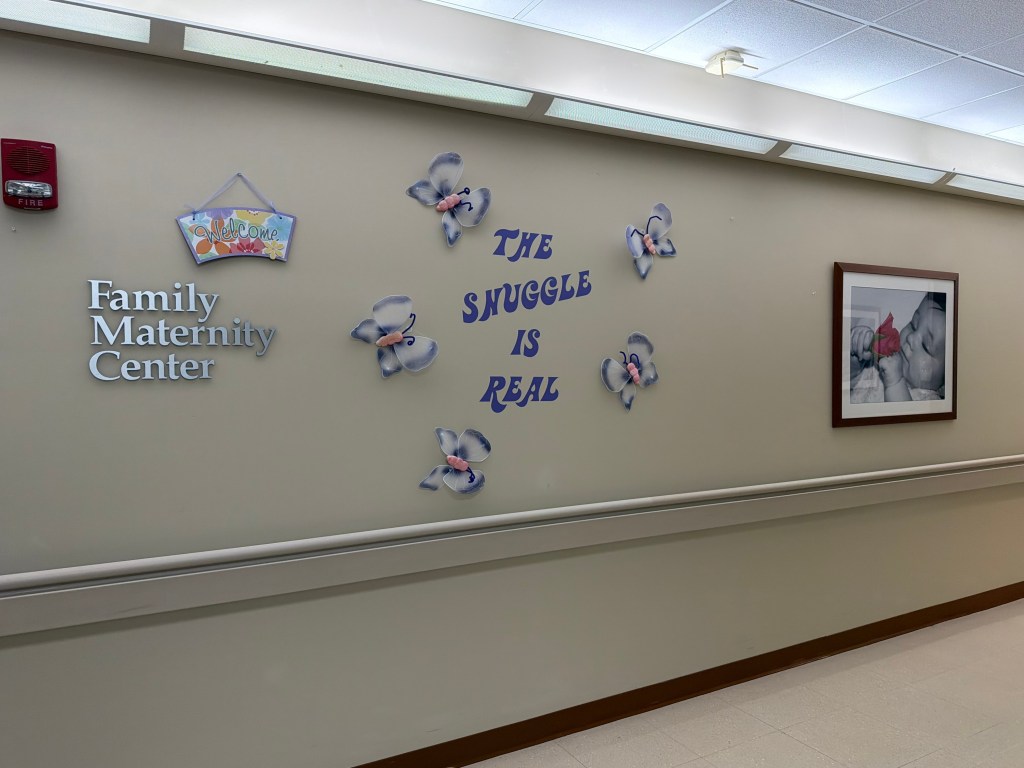
Doulas provide emotional support before, during, and after childbirth to the expecting mother. They help calm mothers down, support their partners, and assist with any problems or concerns. They advocate for what the mothers want during their birth. Postpartum doulas will help support the mother, help with childcare, and make sure that the mother recovers from birth.
Jasmine Gates, a birth doula, spoke about how a mother will relax more with a doula in the room and how she will provide emotional support over the phone until she gets there. A doula will follow a mother into a delivery room and be with her for even two weeks after the birth.
Doctors are there to make sure the mother and baby come out safely. They act as technical support and are there to help with giving epidurals, making sure the child is coming out correctly, and assisting with any other issues that may come up. Doulas and doctors share the same goal: the safety of the mother and child. While both focus on different aspects, they are essential to making sure mom and baby are happy and healthy.
The Problem
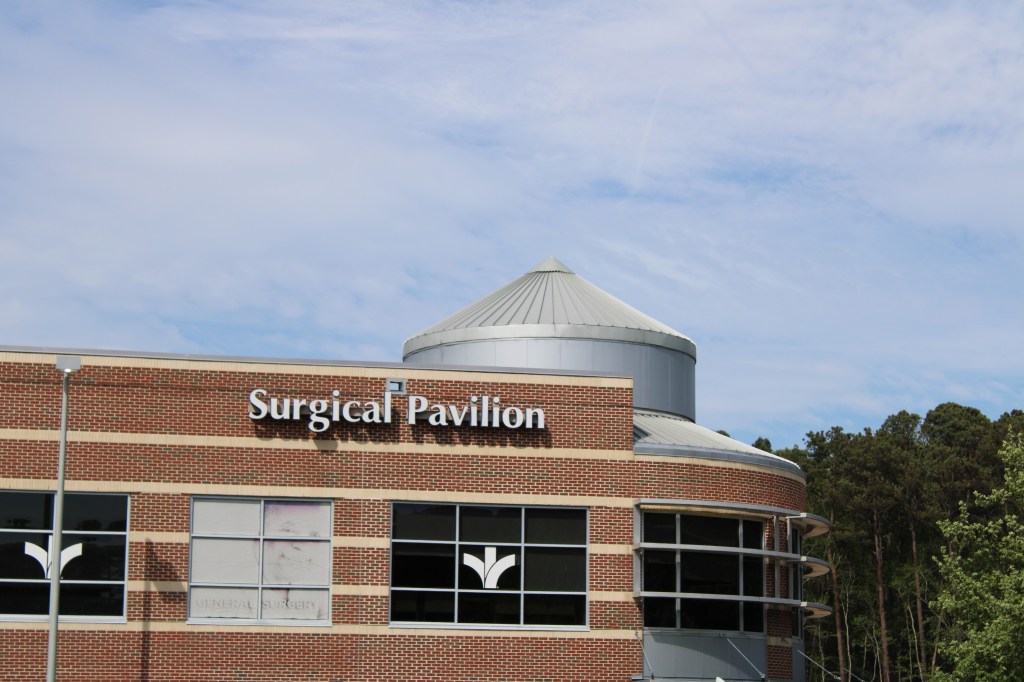
To be able to do their jobs, delivery doulas need to have access to the hospital. Hospitals like Mary Immaculate will put up barriers to prevent doulas from entering the delivery room, birthing room, and operating room.
Julie Robertson is a delivery doula who has her own business. She expresses the problem that she has to face. She explained that when she is preparing her clients for a change, like a C-section, she is told that she can’t go into the room. “Another nurse will come in and then tell the doula, ‘No, you’re actually not allowed back there. So that is a huge barrier for doulas when it comes to supporting our clients for C-sections.” Juile stated.
Public Med Research has shown that having a doula in the room makes women who are giving birth less likely to report a negative experience with birth by 15%.
Why Are Doulas Important?
An expecting mother is going through a lot of pain during labor. There are many different positions and ways a baby can be delivered. There are a lot of conditions the mother doesn’t realize she has until she is giving birth. Karla found out her condition during labor: “I had a lot of fluid called polyhydramnios.”
Polyhydramnios is a condition where the mother has a buildup of fluid that comes out during childbirth. She felt like her doula was able to support her through that, even though she didn’t have the birth she wanted.

The History
SB 1384 came to fruition when the Virginia General Assembly pushed for doulas to be considered part of the medical team in Virginia. Krystal Anderson, a Kansas City Chiefs cheerleader, died from cardiac arrest after having a stillbirth. Anderson was a beloved member and served as a cheerleader for 10 years. She was one of the many women who motivated this bill. This bill focuses on allowing doulas into the delivery room and letting the mother have more than 1 support person.
Virginia State Senator Mamie Locke stated that she was one of the many women who were in mind when creating this bill. “Namely, African-American women have been having difficulties getting doctors to hear them and listen to their issues both prior to pregnancy, during pregnancy, and postpartum”. Senator Locke wants more bills to help with women’s healthcare and help reduce the rates of maternity mortality and newborn deaths.
The March of Dimes found that in Virginia, 30.8 percent of counties are defined as maternity care deserts compared to 32.6 percent in the U.S. With Virginia already having maternity care deserts and some counties not having a local hospital nearby, having a doula in the room will help the mother tremendously because they are there for support.
Why is the Bill Important?
This bill opens the door to allowing pregnant women the support they deserve. By having this bill, expectant mothers won’t need to go through one of the most dangerous times of their lives alone. By having this bill, mothers would be able not only to have doulas by their side but also to have more family members in the delivery room. Mothers won’t have to pick one or two people anymore.
What Does it Do?
The Bill itself would allow every expectant mother a guaranteed pass to allow doulas in the room. The bill, if the hospital chooses to allow it, would make a doula member a part of the team. So if a hospital only allows two support people for the mother, the doula wouldn’t count as one.
What doesn’t The Bill Do?
It is up to the hospital’s discretion whether they want to implement this bill, depending on the insurance. If certain hospitals want doulas to go through certain training before they are allowed to come into the hospital, that can hinder them from doing their jobs. If some hospitals decide not to follow this bill and only allow one support person back into the delivery room, this brings the original problem back. Doulas are not allowed access to the room.
What does this bill look like Nearby?
In Washington, D.C., it is more accepted for doulas to be in the room. D.C. passed a bill in 2024 called The Safe and Supported Pregnancy and Delivery Amendment to allow incarcerated pregnant women to have a support person while giving birth.
The Hospital’s Perspective
Some hospitals view doulas as a part of the team. Sentara CarePlex Hospital, which is 15 minutes away from the city of Hampton, has ensured its maternity ward is among the best. Mothers don’t have to move around in this hospital unless they need immediate surgery in the operating room. Angela Randolf, a clinical manager for Sentara Careplex Maternity Ward, tries her best to address everyone in the room when dealing with decisions that change the direction of a birth. The cesarean birth, which is known as a c-section, is a procedure that requires incisions in the mother’s abdomen and uterus. Karla was a mother who didn’t want a C-section.
“As long as we can get on the same page and we know we’re operating from a safety aspect for the patient, it can go on infinitely. It would be nice if every person came in and had an actual doula,” Randolph added.
What do Doulas bring to the birth?
Doulas carry a multitude of things to the birth that most people might not think of, like a comb, a towel, a plastic cap, water, and snacks. A comb for the doula to press the Brussels into her fingers to help distract her from the pain. A plastic cap to help keep the sweaty hair off her back if she sweats a lot during birth, a water bottle in case she needs to drink, and small snacks so she can eat if she is hungry.
These may seem insignificant, but to mothers, those small actions mean the world. Karla’s doula made sure that she played her birth playlist and took photos of her birth.
“She made sure that she had videos, like what I sent you, and I feel like looking back, I’m grateful she did that because had she not, I wouldn’t have that. For someone else, it may be her stepping in another way, and it may seem small, but it actually is a really big deal that she was able to do that for me,” Karla stated.
How does Medicaid Fall into this
When pregnant mothers go into labor, something that may come up is what insurance plan they are on. Medicaid is a state and federal joint program that helps cover medical costs for lower-income households. To figure out if you are eligible for Medicaid, you will have to check on the Medicaid website. Some patients on Medicaid cannot afford a doula. Julie stated that “there’s definitely a need to expand that Medicaid to help the individual doulas that want to see Medicaid, like help them through the process. And then I think we will be able to reach so many more people that would otherwise not be able to afford or have access to doula support”. Medicaid doulas don’t get paid a lot and have to have other side jobs to support themselves.
According to the National Library of Medicine, “Doula services have traditionally not been covered by private health insurance or Medicaid, reducing access for low-income women.” Julie went into detail about how she has to reject clients who aren’t covered by Medicaid and wishes that more doulas would help Medicaid patients.
“The reason why we don’t have more doulas aspiring to take Medicaid is that the payment rate is so low.” Doulas in Virginia get paid significantly less than in other local states like Washington, D.C., or North Carolina. ZipRecruiter shows that doulas in D.C. get paid roughly $55,400, while doulas in Virginia get paid around $48,798. Virginia is also ranked the lowest out of 50 states. Doulas do a lot of work leading up to birth and even after, some postpartum doulas will offer overnight care and assist mom through a very traumatic experience.
“She stuck by my side the whole time. And once I got the epidural, I was able to go to sleep because the pain had stopped. So while I was sleeping, she was reading my vitals. She’s checking the monitor. She’s checking on how everything’s going. She stayed up the whole time. She did not fall asleep,” Nola said.
The Racial Bias
Another aspect in the delivery room is racial bias.
“We have to continue to be able to find ways to help African-American women and women of color know that we are trying to address these issues with doulas, by passing this legislation to deal with unconscious bias.”
Senator Locke stated. In Virginia, black women are more likely to die in childbirth than their white counterparts, according to the CDC. Karla stated, “We need to talk about it more because it shouldn’t be a death sentence for a black woman to want to give birth. It shouldn’t be scary. A black woman shouldn’t get pregnant and immediately think, am I going to die? And unfortunately, that is happening. Again, doulas step in, and they help as much as they can, and they support us, and I applaud them. And I would recommend, as a black woman, if you are to conceive, get a doula.”
Moving Forward
More hospitals like Sentara Williamsburg Regional Medical Center and Sentara Norfolk General Hospital have updated policies to allow doulas in the medical room. The week of April 11th-17th is being celebrated and is a great resource to learn more about black maternal health. It is led by the Black Mamas Matter Alliance (BMMA), so check out their website to learn more.
Sources
https://pmc.ncbi.nlm.nih.gov/articles/PMC5810740/
https://www.cdc.gov/maternal-mortality/preventing-pregnancy-related-deaths/index.html
https://www.cdc.gov/nchs/data/hestat/hestat113.htm
https://code.dccouncil.gov/us/dc/council/laws/25-326
https://www.cdc.gov/womens-health/features/maternal-mortality.html
https://www.ziprecruiter.com/Salaries/Doula-Salary-in-Washington,DC
https://pmc.ncbi.nlm.nih.gov/articles/PMC12798800/
https://my.clevelandclinic.org/health/treatments/7246-cesarean-birth-c-section

